I’m taking a very short hiatus to spend some quality time with family for the holidays. I’ll be back in early January!
I hope you all have a wonderful holiday break and enjoy a prosperous New Year!

I’m taking a very short hiatus to spend some quality time with family for the holidays. I’ll be back in early January!
I hope you all have a wonderful holiday break and enjoy a prosperous New Year!
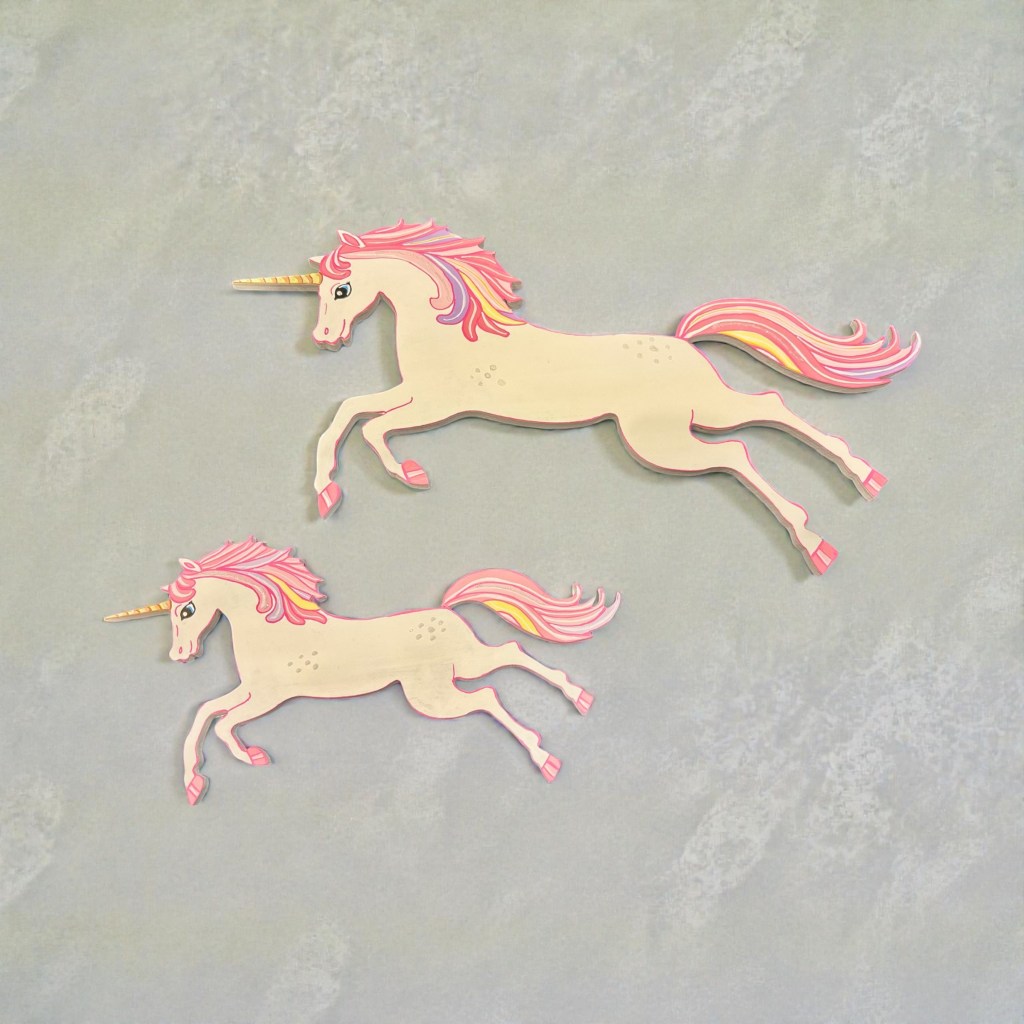
I don’t always feel like a creative person, even though I try to be.
My brain doesn’t naturally work in a “make something out of thin air” kind of way. I’m not great at inventing images, scenes, or backgrounds from nothing. But give me something to look at, such as a photo, a reference, a starting point, then I can recreate surprisingly well. I can draw a fairly realistic portrait if I have a picture to work from. But when I try to create something from thin air, my mind draws a blank. Just a big fuzzy nothing.
A while ago, we graduated our daughter from her crib to a real bed. My husband built a beautiful bed frame and headboard, and I was assigned the task of painting. We originally planned an elaborate scene: mountains, a castle, maybe even a unicorn. It quickly became obvious that this was more ambitious than I had time for. The castle and hills were scrapped, and I decided to just have it be a unicorn on a mountain backdrop.
Chris used his CNC machine to cut out unicorn shapes, and then they sat. For over a year.
They sat because I was overwhelmed. I wanted them to be right, and without a clear vision in my head, I kept putting it off. Every time I thought about painting them, I felt stuck.
A couple of weeks ago, I finally did it.
I found a few unicorn images online to use as references, took a deep breath, and started painting. Chris had made two unicorns in different sizes because he wasn’t sure which would work best, so I painted both.
Now it’s a mommy unicorn and a daughter unicorn, and Mae is thrilled.
That’s how I’m creative. It’s less “burst of inspiration” and more “two years of procrastination followed by a weekend of confidence.” In this case, I think it was worth the wait!
If you like this post, you can subscribe for free using the Subscribe button on the bottom right corner of your screen!
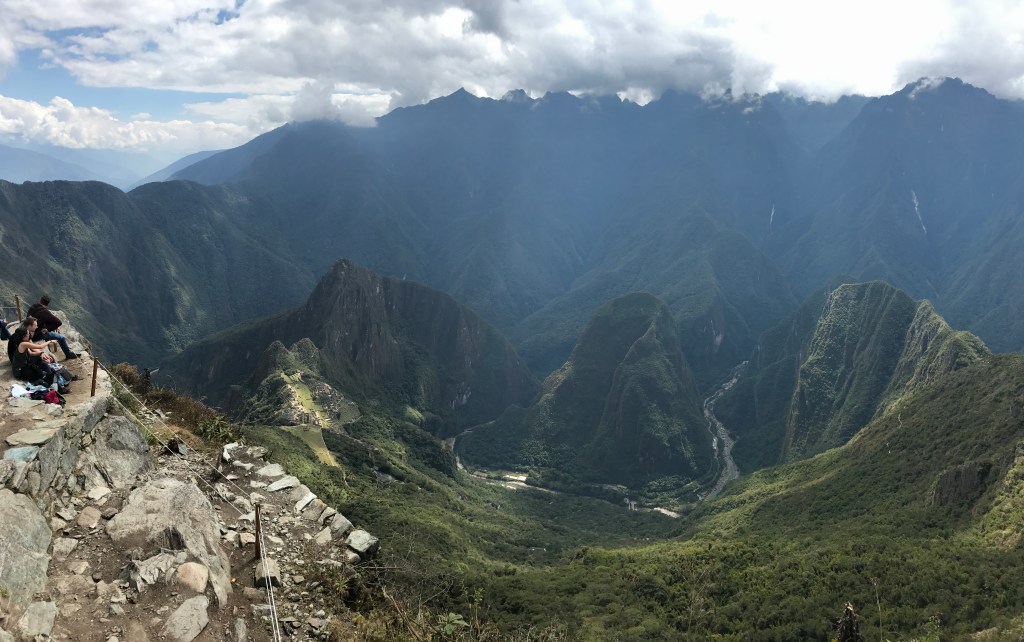
This was such a meaningful trip for us, and Peru will always be the place that truly opened my eyes to how big and beautiful the world is. We’d love to return someday. We’d repeat our favorite spots, skip the parts we didn’t need a second time, and add in a few bucket-list experiences we missed. Here’s how I’d travel to Peru differently on a future trip.
Sacsayhuamán
It’s a shame we didn’t make it the first time around, though I’m not sure I would have appreciated it as much as I would now. Have you heard of Graham Hancock? He’s got some fascinating theories on the true age of the earth, and he points to places like Sacsayhuaman as his evidence.
The stonework is unbelievable. Massive blocks fitted so tightly together that you can’t even slide a piece of paper between them. Next time I’d plan a slow wander through the entire complex, exploring the zig-zag walls, the viewpoints over Cusco, and the surrounding sites like Q’enqo and Tambomachay. This whole area has that mysterious, ancient energy Graham Hancock loves to talk about, and being there makes you wonder how much history we still don’t understand.
Q’iswa Chaka (Incan Hand-Woven Suspension Bridge)
This is one of the last remaining traditional rope bridges, rebuilt by local communities every year with braided grass. It hangs over a canyon with nothing but the rushing river beneath it. It’s a living piece of Incan engineering you can still walk across. Carefully.
Ollantaytambo
We rushed through this gem way too fast. Next time I’d stay overnight in the old town, explore the Sun Temple ruins without feeling hurried, and wander the narrow stone streets where water still flows through ancient channels. It’s one of those rare places where modern life and Incan history blend together so naturally that you feel like you’ve stepped into another time. If we brought the kids, they would love the llamas (me too, of course), the market stalls, and watching the trains come and go on their way to Machu Picchu.
Machu Picchu & Huayna Picchu
I’d absolutely return to Machu Picchu, it’s the kind of place you never forget and can’t get enough of. But instead of hiking up Machu Picchu Mountain again, I’d maybe try to get tickets for Huayna Picchu, the iconic peak that towers over the citadel. The trail is steeper, narrower, and carved right into the rock in places, but the views from the top look unreal. Plus, you can explore the Temple of the Moon, tucked into caves on the backside of the mountain.
Nazca Lines
If we could make the travel work, I’d finally book the small-plane flight over the Nazca Lines. Seeing the hummingbird, monkey, astronaut, and condor from above feels like the only way to really appreciate their scale. It’s a longer detour than most people expect, but it’s one of those “once you’re already in Peru…” opportunities that would be worth the effort.
Please comment and let me know what I’m missing!
And with that, this wraps up my thoughts on how I’d redo a future trip to Peru. If you get a chance to visit, let me know what you’d recommend!
If you like this post, you can subscribe for free using the Subscribe button on the bottom right corner of your screen!
Philadelphia has been on my travel wishlist for a long time, and more especially since our Pizza Crawl. You know I love a good excuse to eat my way through a city, and I’d LOVE to try an authentic Philly cheesesteak. What really draws me in is the blend of history, culture, and energy packed into such a walkable place.
It’s one of the few cities where you can stand on the same cobblestones where the country was shaped, then turn a corner and find vibrant neighborhoods, incredible museums, and art installations tucked into unexpected spots. I’d love to see Independence Hall, the Liberty Bell, wander through Reading Terminal Market, and take my time exploring the Museum of American Revolution. Maybe run up the Rocky Steps?
Philadelphia feels like the perfect mix of meaningful sightseeing and laid-back exploring, where every block has a story. One day, sooner than later, we’ll make it there!
If you like this post, you can subscribe for free using the Subscribe button on the bottom right corner of your screen!
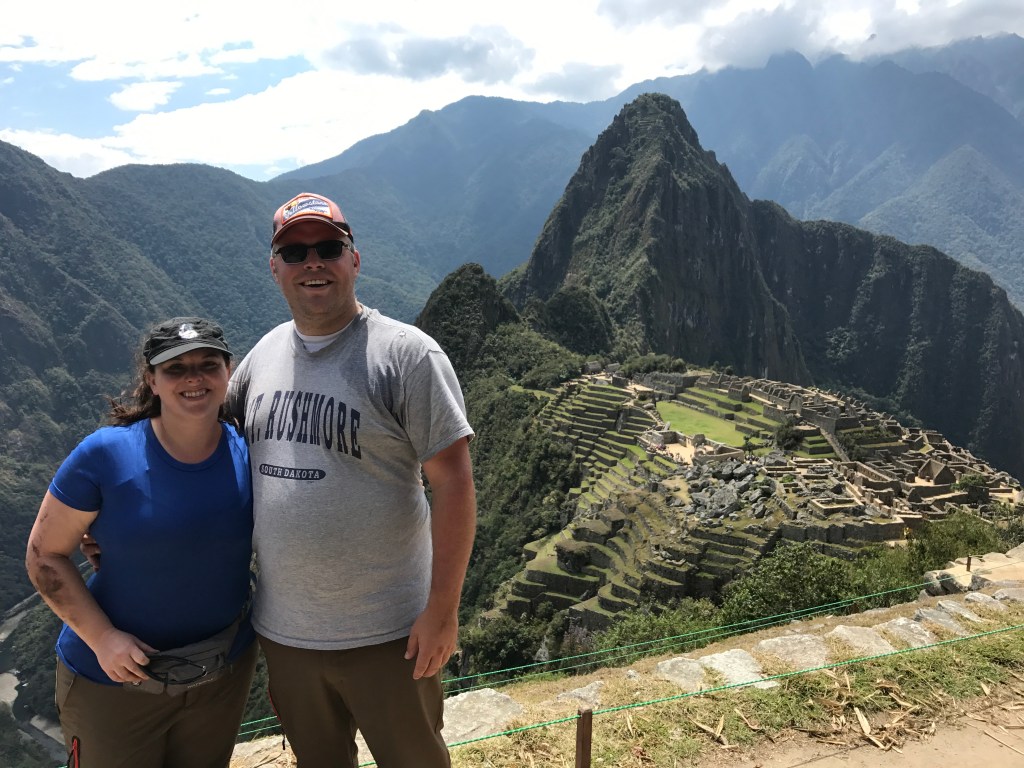
This was our exact 10-day Peru itinerary including flights, hotels, transfers, and tours. It’s written day-by-day so you can easily follow the same route. It includes Lima, the Sacred Valley, Machu Picchu, Cusco, Puno, and Lake Titicaca, all in an efficient, no-backtracking loop.
Here’s how our trip unfolded:
SLC → Atlanta → Lima
9:45 AM — Depart Salt Lake City
3:33 PM — Arrive in Atlanta
5:50 PM — Continue to Lima
11:35 PM — Arrive in Lima, Peru
Check-in: Wyndham Costa del Sol Lima Airport
Conveniently connected to the airport, perfect for early flights the next morning.
After landing late at night, we were supposed to check into the Wyndham Costa del Sol Lima Airport. However this was the one and only hiccup we ran into on our trip – they didn’t have a place for us to sleep. We got it worked out after a lot of phone calls…
Fly to Cusco • Transfer to the Sacred Valley
10:50 AM — Fly from Lima to Cusco
12:15 PM — Land in Cusco
From the Cusco airport, we had a private transfer straight to the Sacred Valley, which helps with altitude adjustment.
Check-in: Sonesta Posadas del Inca Yucay
A peaceful hotel set in a former monastery, perfect for resting before Machu Picchu.
Train to Machu Picchu • Group Tour • Lunch at Inkaterra
This was our big travel day into Aguas Calientes.
We took the Expedition Train toward Machu Picchu, then met up with our group tour of the ruins.
Afternoon:
We toured Machu Picchu with a guide, the classic upper viewpoints, terraces, and temples.
Lunch:
Inkaterra Café (included with the tour), located right by the river and the train tracks.
Check-in: Tierra Viva Machu Picchu
We stayed here for two nights, giving us time for more exploring the next day.
This was our self-guided day back inside the site.
We hiked to the top of Machu Picchu via the Sun Gate (Inti Punku).
We explored more of the little town of Aguas Calientes after the hike, and spent a second night at Tierra Viva Machu Picchu.
We took the train back from Aguas Calientes toward Cusco and checked into:
Hotel: Los Portales Hotel Cusco
We stayed here to two nights and we were able to get some well-needed rest after the big hike the prior day.
We used this day to explore Cusco at our own pace before our tour the next morning.
This day centered around the Qurikancha (Temple of the Sun) — one of the most important Inca temples in Cusco.
We learn about the Inca stonework and the colonial church built on top of it.
Second night at Los Portales Hotel Cusco.
Fly to Juliaca • Transfer to Puno
11:10 AM — Depart Cusco
12:05 PM — Arrive in Juliaca
We had a private transfer from Juliaca Airport to Puno with an English-speaking guide.
Check-in: La Hacienda Puno
We stayed here for two nights while visiting Lake Titicaca.
Floating Islands of Uros • Island of Taquile Tour
This was our Lake Titicaca tour day.
We took a guided boat trip to:
This was one of the most memorable cultural days of the trip.
Second night at La Hacienda Puno.
Puno → Juliaca • Fly to Lima
We had a private transfer from Puno to the Juliaca airport.
1:15 PM — Fly from Juliaca to Lima
2:50 PM — Arrive in Lima
We had this night on our own in Lima before our red-eye flight home. We visited the Larco Museum.
Lima → Atlanta → SLC
1:05 AM — Depart Lima
9:00 AM — Arrive in Atlanta
2:00 PM — Final flight to Salt Lake City
3:56 PM — Land in SLC
After picking up the puppies, unpacking, and catching up on laundry, we ended the night with full hearts: grateful for the memories and the rewarding journey we’d just experienced.
Stay Tuned: the next post will detail the places in Peru we’d love to see next time!
If you like this post, you can subscribe for free using the Subscribe button on the bottom right corner of your screen!
This is an impossible question to answer. Every place I’ve visited has given me something different. And while I haven’t exactly birthed any vacation spots, the classic mom line of “I love you all equally” feels pretty fitting here.
Peru was my first international trip, and nothing compares to that eye-opening feeling of stepping into a new country for the first time. Thailand amazed me with its beauty and vibrant culture. Hiking Half Dome in Yosemite and trekking down to Phantom Ranch pushed me to my limits and rewarded me in unforgettable ways. And wandering through the towering Redwoods reminded me just how small we really are in this world.
Sure, there have been a few places that were disappointing or underwhelming, but most destinations have been incredible. And when it comes to National Parks, I’ve yet to visit one I didn’t love.
Each place has been special for its own reason, which is why choosing a single favorite feels impossible. They’ve all shaped me in their own way – just like kids do.
If you like this post, you can subscribe for free using the Subscribe button on the bottom right corner of your screen!
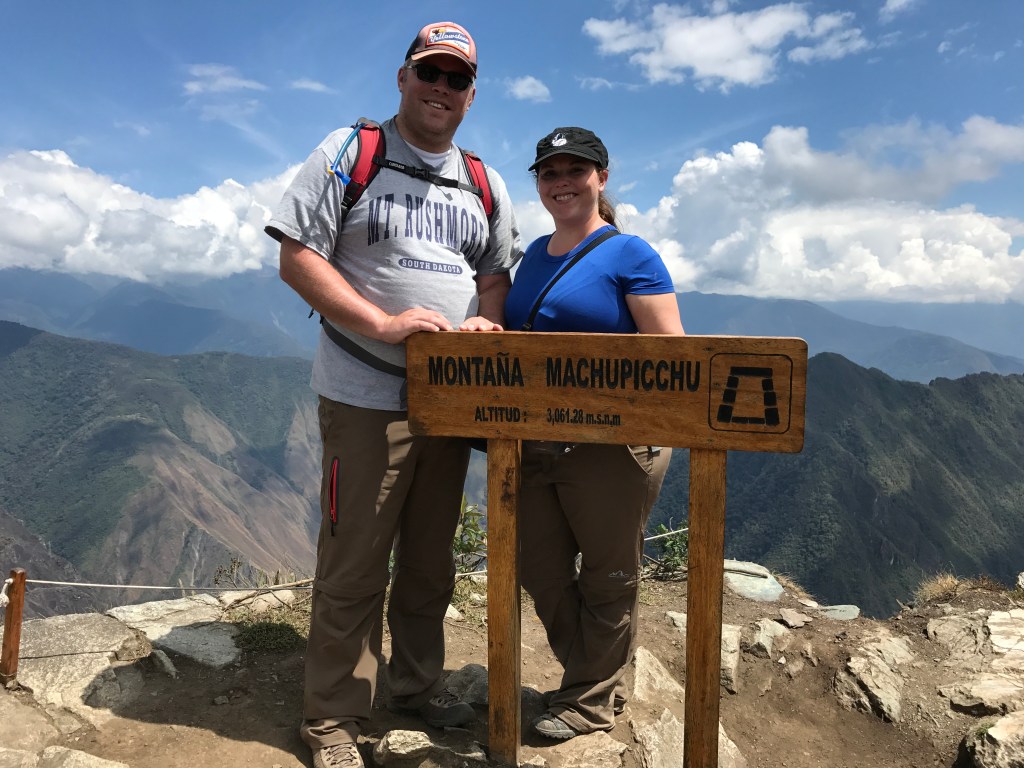
Disclosure: This post contains affiliate links. If you click and make a purchase, I may earn a small commission at no extra cost to you. Thanks for supporting my blog!
This is a long one, but stay with me, there’s a lot of great info for a trip to Peru!
If traveling to Peru from the United States, there are no required vaccinations UNLESS you are traveling to or from the Amazon jungle. In those cases, a Yellow Fever certificate may be required. For example, one of the couples that joined us on our Machu Picchu tour had stopped in Brazil to visit the Amazon rainforest prior to coming to Peru. They were required to get a Yellow Fever vaccination.
If you are coming directly from the United States and only traveling to places in Peru, you shouldn’t be required to get any vaccinations, though these following vaccinations are recommended:
The local currency in Peru is the PEN – Peruvian Nuevo Sol. 1 PEN is about $0.30.
You will have lots of advice online about how to get the best currency exchange rates, but let me stop you and tell you that it is NOT WORTH IT. When we traveled to Thailand in 2022, the internet had us going to the lowest level of the Bangkok Airport to a little spot that had the best exchange rate for USD to THB. I ended up getting myself an extra 10 THB by doing this. It wasn’t easy to get there, and as I walked away and did the math, I realized we put in all that extra work to get an extra $0.30.
IT’S NOT WORTH IT. Regardless of where you go, the exchange rate differences will be NEGLIGIBLE. Do yourself a favor and just exchange currency where it is convenient. I mean, obviously make sure the place is legit. Don’t do exchanges with street money changers, only use official exchange houses or banks. It’s easiest to do this at the airport upon arrival. Exchange more money than you think you’ll need, and whatever you don’t use, you can exchange back when you fly home. And just know going in that you are going to take a loss when exchanging back to USD – there’s no getting around it. So make sure you have enough cash in the local currency, but don’t overdo it either. A lot of places accepted credit card, so for us, somewhere between $300-$500 was sufficient for our whole stay in Peru, and have plenty of small bills in the local currency for tipping.
Also keep in mind that when exchanging back, they will only exchange bills, not coin. So either give away your last coins as tips or keep as a souvenir!
TLDR: Don’t bother hunting down the best exchange rates, just exchange your bills where both convenient and legit – the airport or official banks. Stay away from street money changers. Have enough small bills for tipping, and $300-$500 for a week in Peru is probably sufficient.
Don’t drink the tap water in Peru, and skip out on the ice as well. Stick with bottled water for the duration of your stay. The last thing you need on vacation is to get sick.
This is a serious concern for many visitors to Peru, though it wasn’t as big of a deal for us coming from Utah which also has a high altitude. If you run into altitude sickness, don’t worry. They hand out coca tea and coca candies like it’s…. candy! Everywhere you go, someone will offer you altitude sickness remedies. If you are super worried, ask your doctor for Diamox.
The biggest problem area in the specific itinerary we followed was the ascent up Machu Picchu, and this was not a problem in Lake Titicaca. We were advised to wear permethrin-treated clothing when hiking up Machu Picchu. The risk isn’t malaria, it’s more a risk of dengue. The risk is considered low to moderate at Machu Picchu, but still worth protecting yourself. The mosquitoes are sandflies, can’t be seen, and bites can be vicious. What we ended up doing is we sprayed our hiking clothes with DEET prior to rolling it all up and packing a day or so before we left the states. We also sprayed ourselves the morning of the hike using repellant purchased in Peru.
Peru uses mostly Type A and Type C plugs, and its voltage is 220v. Pick an adapter that you can use in places other than Peru so you don’t have to buy a new adapter with each place you visit. The one we use works great for standard electronics, but is not great for things like hair dryers. I never bother drying my hair while on vacation anyway.
We always try to fit everything into carry ons so we don’t have to worry about checking luggage. This can be tricky with a longer international trip, but the key is to rely on hotel laundry services, which can be surprisingly affordable in places like Peru. The other key is to decide ahead of time what to leave home and just purchase in Peru. If your airline allows one carry on and one personal item, plan for using a CamelBak (or other hydration pak) as your personal item and put your fanny pack in either your carry on or CamelBak.
I’ll list separately what to keep in your Camelbak (personal item) and Fanny Pack (stuffed in either carry on or Camelbak), and I’ll also specify what to plan to have on you for the hike up Machu Picchu. Pack light! Use hotel laundry services when you run out of clean clothes, but don’t have them wash your DEET-sprayed hiking clothes until after you’ve hiked up Machu Picchu.
This particular fanny pack has gotten me through many trips, it’s perfect! It is big enough with several pockets without being too bulky. Some of these items may not be necessary for a hike up Machu Picchu, but all of these items just permanently live inside my fanny pack and are not taking up extra space.
Worst case scenario, you don’t have room for souvenirs to bring home. In that case, check your carry-on bag for the flight home and carry-on your souvenir bag. The bottom line is that you want your vacation to be as stress-free as possible – so make sure you have what you need but aren’t carrying too much weight!
If you like this post, you can subscribe for free using the Subscribe button on the bottom right corner of your screen!
I’ll always choose the mountains over the beach. For me, it all comes down to the journey. I love working toward a rewarding destination. There’s something about earning a stunning view that makes it feel richer and more memorable. If I didn’t put in the effort, I’m not sure I’d appreciate it in the same way.
It’s a funny mindset to have while on vacation, which is probably why we often need a “vacation from our vacation” just to recover, sleep in, and catch up on laundry before returning to real life.
I understand the appeal of the beach, but I struggle to relax when I know there are trails to wander and new places to explore. Sure, there are activities at the beach, and I do enjoy wave runners (as long as the driver isn’t trying to toss me into the water… looking at you, brothers). I don’t mind riding in a boat either, but I’ve never managed to stand up on a jet ski, and the unknown in deep water unnerves me. I’d much rather stay where I can see everything around me, and preferably on a forested path surrounded by wildlife, greenery, and the sound of waterfalls.
And then there’s the sand. No matter how hard you try, you’ll find it everywhere for weeks! Your shoes, your car, every corner of your life… After a long hike I’m definitely dirty, but at least the mess stays mostly contained.
In the end, the mountains feel like home: challenging, refreshing, and full of discoveries that make every step worth it.
If you like this post, you can subscribe for free using the Subscribe button on the bottom right corner of your screen!
Our last stop in Peru before heading home was in the country’s capital. We flew from Puno to Lima. We had a layover of about 8 hours before our flight to Utah. We had just enough time to put our suitcases in storage and find a ride to the city.
We got an Uber driver to take us to the Larco Museum, which showcases treasures from ancient Peru.
Driving in Peru is terrifying! It seems like the cars are moving much faster than they are, but they are typically going 50 MPH at the most. There is a lot of cutting people off, even more honking, and not much organization to the traffic lights. But apparently accidents are uncommon.
Our Uber driver was very nice. We spoke a little bit with him using our translator app. He asked us if we had kids back home. We said yes – two dogs (this was before we had kids). It took a bit of back and forth using the translator app, but when he finally figured out we were “parents” to dogs, our driver laughed and laughed and laughed!
Lima was a busy city that we didn’t get to see much of. The grounds of the Larco Museum were beautiful, but the evening dusk made pictures not viable. I definitely enjoy museum visits much more than Chris, but he was a good sport. There’s thousands of pre-Columbian artifacts – shelf after shelf of pottery, jewelry, and other ancient pieces, some even older than the Incan civilization. For those inclined, the Larco Museum also features a well-known erotic pottery collection, offering a candid look at ancient attitudes toward love, fertility, and relationships.
After our visit, we got another Uber back to the airport and we were on our way.
Visiting Peru was an extraordinary and unforgettable experience. We hope to return!
In my next posts I’ll detail what you need to pack for a trip to Peru as well as our specific itinerary!
If you like this post, you can subscribe for free using the Subscribe button on the bottom right corner of your screen!

About four years ago, we were camping and went on a little hike. The kind of slow, meandering adventure you take when your hiking pal is not even two. Somewhere along the trail, Mae spotted something that caught her eye: a small rock painted bright blue. In black marker, it simply said, “You Matter.”
We were probably supposed to leave it there – part of one of those kindness rock projects, meant to brighten the day of whoever stumbled upon it next. But Mae, with her tiny hands and big heart, picked it up and held it like treasure. There was no convincing her to put it back.
That little rock has sat on a shelf in her room ever since. It’s become part of the background of her growing-up years; a small, cheerful reminder that kindness has a way of sticking around.

Looking at the picture of that day makes me wax nostalgic. I can still see her in her little pink shoes and tiny fingers gripping that rock like it was pure magic. It makes me yearn for those days when she was itty bitty, when everything she found was a wonder.
Someone once painted that rock not knowing it would end up in the hands of a toddler who’d keep it for years. But maybe that’s the beauty of it. A message meant for anyone ended up exactly where it belonged.
If you like this post, you can subscribe for free using the Subscribe button on the bottom right corner of your screen!


 Packing for Adventure