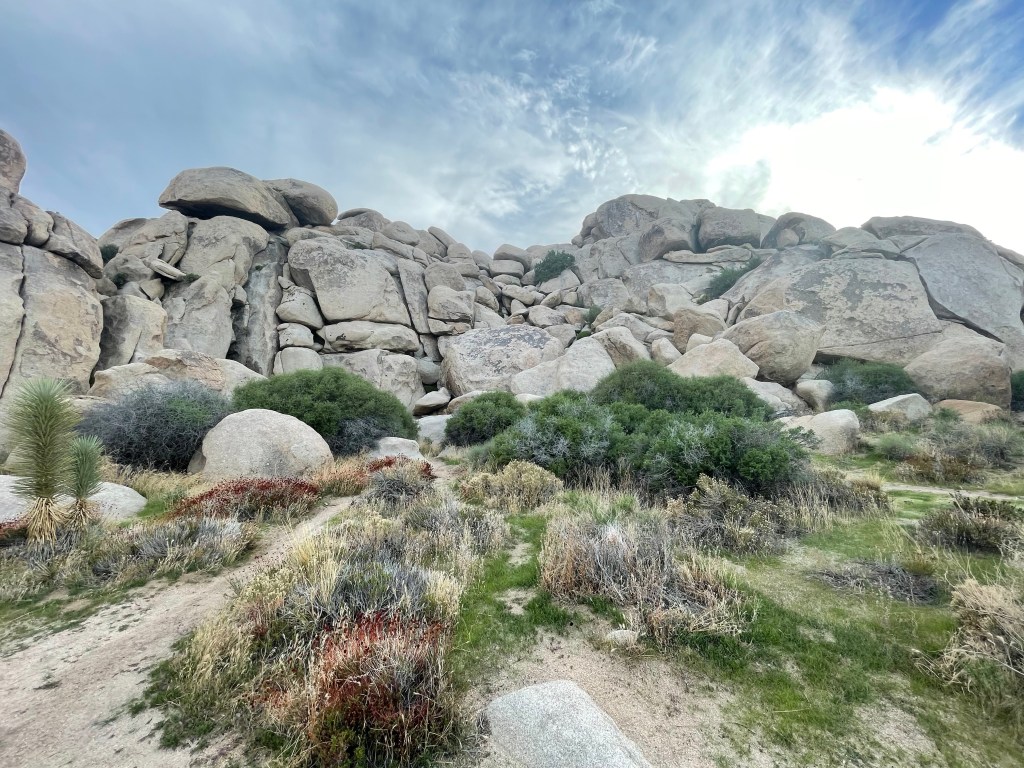
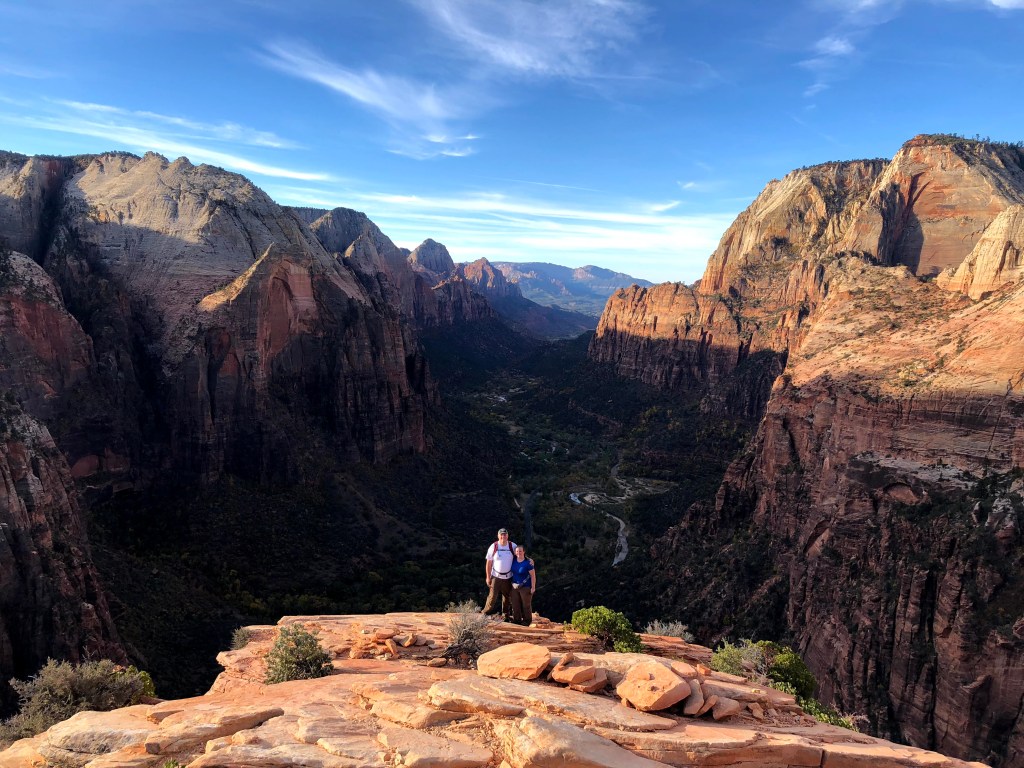
I’ll always choose the mountains over the beach. For me, it all comes down to the journey. I love working toward a rewarding destination. There’s something about earning a stunning view that makes it feel richer and more memorable. If I didn’t put in the effort, I’m not sure I’d appreciate it in the same way.
It’s a funny mindset to have while on vacation, which is probably why we often need a “vacation from our vacation” just to recover, sleep in, and catch up on laundry before returning to real life.
I understand the appeal of the beach, but I struggle to relax when I know there are trails to wander and new places to explore. Sure, there are activities at the beach, and I do enjoy wave runners (as long as the driver isn’t trying to toss me into the water… looking at you, brothers). I don’t mind riding in a boat either, but I’ve never managed to stand up on a jet ski, and the unknown in deep water unnerves me. I’d much rather stay where I can see everything around me, and preferably on a forested path surrounded by wildlife, greenery, and the sound of waterfalls.
And then there’s the sand. No matter how hard you try, you’ll find it everywhere for weeks! Your shoes, your car, every corner of your life… After a long hike I’m definitely dirty, but at least the mess stays mostly contained.
In the end, the mountains feel like home: challenging, refreshing, and full of discoveries that make every step worth it.
If you like this post, you can subscribe for free using the Subscribe button on the bottom right corner of your screen!
Our last stop in Peru before heading home was in the country’s capital. We flew from Puno to Lima. We had a layover of about 8 hours before our flight to Utah. We had just enough time to put our suitcases in storage and find a ride to the city.
We got an Uber driver to take us to the Larco Museum, which showcases treasures from ancient Peru.
Driving in Peru is terrifying! It seems like the cars are moving much faster than they are, but they are typically going 50 MPH at the most. There is a lot of cutting people off, even more honking, and not much organization to the traffic lights. But apparently accidents are uncommon.
Our Uber driver was very nice. We spoke a little bit with him using our translator app. He asked us if we had kids back home. We said yes – two dogs (this was before we had kids). It took a bit of back and forth using the translator app, but when he finally figured out we were “parents” to dogs, our driver laughed and laughed and laughed!
Lima was a busy city that we didn’t get to see much of. The grounds of the Larco Museum were beautiful, but the evening dusk made pictures not viable. I definitely enjoy museum visits much more than Chris, but he was a good sport. There’s thousands of pre-Columbian artifacts – shelf after shelf of pottery, jewelry, and other ancient pieces, some even older than the Incan civilization. For those inclined, the Larco Museum also features a well-known erotic pottery collection, offering a candid look at ancient attitudes toward love, fertility, and relationships.
After our visit, we got another Uber back to the airport and we were on our way.
Visiting Peru was an extraordinary and unforgettable experience. We hope to return!
In my next posts I’ll detail what you need to pack for a trip to Peru as well as our specific itinerary!
If you like this post, you can subscribe for free using the Subscribe button on the bottom right corner of your screen!
About four years ago, we were camping and went on a little hike. The kind of slow, meandering adventure you take when your hiking pal is not even two. Somewhere along the trail, Mae spotted something that caught her eye: a small rock painted bright blue. In black marker, it simply said, “You Matter.”
We were probably supposed to leave it there – part of one of those kindness rock projects, meant to brighten the day of whoever stumbled upon it next. But Mae, with her tiny hands and big heart, picked it up and held it like treasure. There was no convincing her to put it back.
That little rock has sat on a shelf in her room ever since. It’s become part of the background of her growing-up years; a small, cheerful reminder that kindness has a way of sticking around.
Those tiny little pink shoes kill me…. why do they have to grow??
Looking at the picture of that day makes me wax nostalgic. I can still see her in her little pink shoes and tiny fingers gripping that rock like it was pure magic. It makes me yearn for those days when she was itty bitty, when everything she found was a wonder.
Someone once painted that rock not knowing it would end up in the hands of a toddler who’d keep it for years. But maybe that’s the beauty of it. A message meant for anyone ended up exactly where it belonged.
If you like this post, you can subscribe for free using the Subscribe button on the bottom right corner of your screen!
If there’s one thing I love about travel, it’s when a place has a story hidden in its name. Peru’s Lake Titicaca and its islands are perfect examples — their names reveal layers of language, history, and culture that stretch back centuries. And before you get too excited, “Titicaca” has nothing to do with mammary glands and the Island of Taquile has nothing to do with the drink.
Let’s start with Lake Titicaca itself.
The name is believed to come from the Aymara language, and it might mean either “Rock Puma” or “Gray Puma.” In Aymara, titi means puma and caca means rock (or sometimes gray). Some say it refers to the shape of the lake, which local traditions describe as resembling a puma hunting a rabbit (though I think it looks more like a fox chasing a squirrel). Others link it to a sacred rock on Isla del Sol carved in the likeness of a puma.
Either way, the name isn’t just poetic. The pumawas one of the three sacred animals in Andean mythology, symbolizing strength, vitality, and the earthly world, alongside the condor and the serpent. Some historians even suggest that “Titicaca” evolved from Thaksi Cala, the ancient name for that sacred rock, slowly reshaped by centuries of translation and mispronunciation.
As for Taquile Island…
This is another cultural gem on Lake Titicaca. The Spanish gave it its modern name, derived from the Gonzalez de Taquila family, who once owned the island after the Inca Empire’s fall. But long before the Spanish arrived, the island was known by itsQuechua name: Intika. The two names tell a story of Peru’s layered history. One Indigenous, one colonial – both still alive today in the culture and language of its people.
And finally the Floating Islands of Uros
The Uros people, who built and live on these reed islands, primarily speak Aymara and Spanish today. Their original language, Uru, has nearly disappeared, though efforts to revive it continue. The name “Uros” itself is thought to come from Quechua, meaning either “people” or “bird.” However, they call themselves Kostuña, meaning “the lake town.” Even in name, their identity reflects resilience and adaptation – a culture floating, quite literally, between past and present.
So next time you hear “Lake Titicaca,” you’ll know it’s more than just a dirty sounding name to say. It’s a linguistic time capsule, filled with stories of pumas, sacred rocks, and people who’ve called this high-altitude lake home for thousands of years.
If you like this post, you can subscribe for free using the Subscribe button on the bottom right corner of your screen!
Shopping for parents can be surprisingly tricky. They insist they “don’t need anything,” yet light up when you gift them something meaningful, beautiful, or just plain fun. If you’re stuck on what to put under the tree this year, these thoughtful ideas will have your parents feeling loved, spoiled, and wowed.
Disclosure: This post contains affiliate links. If you click and make a purchase, I may earn a small commission at no extra cost to you. Thanks for supporting my blog!
Elevate their Kitchen Game:
Help your parents rid their home of harmful microplastics by swapping out their plastic cutting board for a high quality end-grain cutting board. Beautiful, functional, and easy on the knives!
These artisan-crafted grinders instantly elevate any dinner table. They’re elegant, functional, and the perfect blend of everyday luxury and practical charm.
Who doesn’t love fondue night? It’s festive, interactive, and something your parents probably wouldn’t treat themselves to, but would absolutely enjoy with family or friends.
For the grill masters or flavor adventurers, this Himalayan salt block adds depth and richness to meats and veggies. It’s unique, impressive, and almost guaranteed to spark “wow, that tastes amazing!”
Gifts that Bloom and Delight:
Bring color and life to their backyard by gifting a beautiful hummingbird feeder. Watching those tiny, vibrant birds hover and zip around is pure joy and wonderfully relaxing.
Go all-in on the hummingbird theme and create a Hummingbird Haven by adding these adorable hummingbird homes. They’re small, charming, and help attract even more visitors.
These elegant garden chimes add a peaceful, melodic touch to any outdoor space. They’re soothing, timeless, and make the garden feel extra inviting.
Sweet and Sentimental Surprises:
If your parents are anything like mine, they never stop asking for new photos of the grandkids. A digital picture frame lets you send fresh snapshots straight to their home, turning an ordinary corner of their living room into a constantly changing gallery they’ll treasure all year long.
This enchanting snow lantern is a magical twist on the traditional snow globe. Soft light, swirling snow, and a cozy winter vibe that brightens any room.
Bonus Idea:
Give your parents the gift they didn’t know they needed: a high-quality massage gun. It melts away muscle tension, eases stiff joints, and makes at-home relaxation feel downright luxurious. Perfect after long days, workouts, yardwork, or just because everyone deserves a little pampering.
Finding the perfect gift for your parents doesn’t have to be stressful. Just choose something thoughtful, beautiful, or a little sentimental. No matter which option you pick, they’ll feel appreciated and loved (and you’ll look like the holiday gift-giving champion).
If you like this post, you can subscribe for free using the Subscribe button on the bottom right corner of your screen!
There are a million reasons to love having a dog, but let’s start with the obvious one: built-in best friend. Dogs don’t care if you’re wearing yesterday’s sweatpants or if your hair looks like you wrestled a leaf blower. They just want to be near you, and sometimes sitting directly on top of you.
Dogs somehow always know your mood. Sad? Here, have a warm nose on your arm. Stressed? They’ll flop across your lap like a fluffy emotional support pancake, leaving you powerless to do anything but relax. Trudy, our Belgian Malinois, is sometimes referred to as the “Trudy blanket” due to her incredible talent in completely smothering you with affection – forcing you into a long, nap-filled procrastination session that makes all your stressors temporarily vanish (and come back tenfold when you wake up…)
We recently took our dogs on a camping trip, bringing them along for a four-wheeling adventure. It was a revisit of a trip we took over ten years ago with just me, Chris, and our border collie Stanley. Now older and arthritic, we wanted Stanley to have a memorable experience reliving a past beloved memory (only this time with kids and sister Trudy the Belgian Malinois in tow).
Stanley four-wheeling about 10 years agoStanley had the seat of honor, and despite his arthritis, he seemed to enjoy every second.This crazy lady on top of me is the reason we waited ten years between four-wheeling trips…
The sweetest part of being a proud dog owner has been watching Stanley and Trudy adore my kids. They have been shockingly patient in the most extreme circumstances, such as toddlers sticking fingers in their eyeballs.
Stanley with our tiny Baby Mae, trying to get her to play catch!
At the end of the day, dogs remind us: love big, nap often, and greet your favorite people like they’ve been gone for years – even if they just went to get the mail.
If you like this post, you can subscribe for free using the Subscribe button on the bottom right corner of your screen!
Right outside the restaurant, one of the men gave us a fascinating demonstration of how they clean and dye llama and alpaca wool. On Taquile, the men are the weavers, which is the opposite of most other Peruvian communities where women typically do the weaving.
This culture has a rich system of traditions and symbols. The way people wear their hats reveals their social and marital status. Once the men reach a certain age, they must prove their skill and “manhood” by weaving their own hat. It must be woven tightly enough to hold water for a specific amount of time. If it leaks, they’re not permitted to marry or hold certain positions in society. The men’s belts also have special meaning. When Taquile men marry, their wives cut their hair and give it to their husbands, who weave it into the belt they wear every day. It’s a powerful symbol of unity and love.
After the demonstration, three men and one woman performed a lively dance accompanied by pipes and drums. Their energy, combined with the backdrop of the Andes and the shimmer of Lake Titicaca, made the moment unforgettable.
The photos do not do justice to the experience, but here they are anyway! Me enjoying the dancing, the sweeping views, and standing beside one of the locals.
Cleaning and dying llama wool demonstration After the wool demonstration, three men and one woman danced and played pipes.Me enjoying the dancing and beautiful viewMe and Chris with one of the natives. He made the belt he is wearing. When they get married, the women cut their hair and give it to their betrothed to weave into their belt.Just outside the restaurant stood an archway which perfectly framed the landscape.
Hiking the Other Side of Taquile
After lunch and the time spent with the locals, we followed William along the opposite side of Taquile, listening to stories about local customs as we hiked. He was impressed with how easily we handled the climb – apparently all that training for Machu Picchu paid off after all!
The island’s terraced farmland reminded me of Machu Picchu, layered with care and history. We walked along a pathway built by the locals using funds from tourism, surrounded by stunning lake views at every turn. I couldn’t resist stopping for photos. I’m a sucker for a good picture spot, and Taquile offered them in abundance.
The terraced land is for farming, similar to the terraces at Machu Picchu This walkway was built by the natives using money earned from tourism I’m a sucker for spots like this for pictures
We reached another archway, different from the one near the restaurant. William explained that it plays a role in wedding ceremonies, where couples walk through it as part of their celebration. From there, we made our way down to the shore; a beautiful, peaceful spot where our boat waited to take us back to Puno.
This arch is different from the one by the restaurant. It is a native tradition to walk to this archway as part of a wedding ceremony.
As we looked out over Lake Titicaca one last time, we felt a mix of gratitude and awe. This day had been more than sightseeing: it was a glimpse into a community that lives simply, proudly, and with purpose.
Beautiful spot where the boat picked us up to return to Puno. We were sad to leave!
Next up, I’ll dive into the nerdy linguistic details behind the names Taquile and Titicaca: their linguistic roots, what they really mean, and the surprising stories those meanings tell about this incredible region.
If you like this post, you can subscribe for free using the Subscribe button on the bottom right corner of your screen!
If I could invent a holiday, it would be Take a Hike Day: a day when everyone everywhere laces up their shoes and hits a trail. No parades, no shopping, no pressure to host or decorate. Just the sound of your breath, the crunch of dirt beneath your feet, and the kind of peace that only comes from being surrounded by nature.
We’d all take a pause from our screens and schedules to walk, climb, and wander, letting the world remind us how small and connected we really are. Whether it’s a stroll through a city park or a trek up a mountain, the goal is the same: to decompress, reflect, and rediscover what it means to simply be.
Take a Hike Day wouldn’t just be good for our bodies; it would be good for our souls. Because sometimes, the best way to find clarity is to lose yourself in the beauty of the world around you.
So, where will your hike take you?
If you like this post, you can subscribe for free using the Subscribe button on the bottom right corner of your screen!
As amazing as our day on Lake Titicaca had already been, it wasn’t even over. Now we headed on the boat (not the Romantic Boat this time) along with the rest of the tour group to the Island of Taquile, yet another culturally unique group of people living on Lake Titicaca.
Taquile is known for its terraced farming, breathtaking Andean views, and Quechua-speaking weavers. The locals live a communal lifestyle, wearing traditional clothing and creating intricate textile art recognized by UNESCO as an Intangible Cultural Heritage of Humanity.
The first stop at the Island of Taquile was at the “Family Restaurant.” We had two dishes to pick from, either trout or an omelet. I normally steer away from fish, but we decided “when in Rome” and we both ordered the trout. It was fresh caught and delicious!
Trout in the “Family Restaurant”Exterior of the “Family Restaurant”I just thought this plant outside the restaurant was beautiful
It was a young boy serving us. He didn’t speak English, and I’m pretty sure we were eating out of his home. Our meal was paid for ahead of time, but we paid extra to have a Coke and a Fanta. I asked our tour guide William if we were supposed to tip (since we weren’t supposed to tip at the Floating Islands of Uros). He said to go ahead. I paid 10 PEN for the drinks and an additional 10 PEN for the tip. I did not feel like I was being generous; since the meal was prepaid, I had no idea how much it cost. I was very impressed with the meal and the service. The 20 PEN for the drinks and tip was about $6 USD. The man who took the 20 PEN pulled out some change to give me, and William told him it was meant as a tip. He was so grateful! He had a hard time believing I didn’t want change. I will never forget that moment.
We asked William about it later. We had prepaid about $400 USD for the whole day’s tour of the Floating Islands of Uros and the Island of Taquile – or about 1250 PEN. Out of all that, it was broken up as follows:
8 PEN went to an entrance fee for the Floating Islands of Uros
8 PEN went to an entrance fee for the Island of Taquile
~80 PEN for the meal at the “Family Restaurant” on the Island of Taquile
The rest went to the travel agencies and the speed boat company
In the end, less than 100 PEN (under $30 USD) actually reached the people we were visiting. William assured us the islanders are content and have what they need, but it made me think of Eliana, our host at the Uros Islands, and how grateful she was when we bought a small souvenir. And our restaurant host got a tip that cost more than our entrance fee to the island!
Moments like this remind me why international travel matters. I’m not a naturally generous person (just ask my kids how often I’m willing to share my dessert), but experiences like this highlight how blessed and comfortable my life is. Travel has a way of changing how you see the world – and yourself.
Next up, I’ll share more about our time exploring Taquile Island itself – from the hike through its terraced hills to the beautiful views over Lake Titicaca.
If you like this post, you can subscribe for free using the Subscribe button on the bottom right corner of your screen!
Eliana welcomed us not only into her home, but also her culture. When the boat was making its way to pick us up, it was time for her to show us a variety of handmade souvenirs we could purchase from her family. We purchased a handmade reed boat souvenir (which our dog Trudy promptly destroyed when we got home… if you are reading this and heading to Lake Titicaca soon, grab one for me, will ya?)
In addition to the small reed boat, we also paid to take a “Romantic Boat Ride.” As a thank you for paying for the boat ride, Eliana and her sisters treated us to a song. They sang in Aymara, Quechua, English, and French!
The boat we arrived on left without us and we awaited the arrival of the romantic boat. This unique vessel was made from two of the original reed boats they used to live on centuries ago, combined into a catamaran. The boats are shaped like pumas (an important Incan symbol). The boat even had a cabin, though we chose to ride on top. The islanders cleverly use plastic bottles left behind by tourists as extra flotation, repurposing trash into something useful.
Romantic Boat coming to get usAtop the catamaran. The two guys in white rowing are native islanders, and the guy in red is William, our tour guide.
The name “Romantic Boat” comes from its role in island tradition. When teenagers begin courting, they go on dates aboard these very boats. With a mischievous smile, Eliana shared a joke William translated for us: “They leave as two and return as three!”
Enjoying the Romantic Boat Ride
We met up with the rest of our tour group on a large main reed island. It was huge! It even had a working bathroom! It was crazy to see the modern comforts these people enjoy living on these islands. Eliana herself even had a radio they power with solar panels.
Our short visit was unforgettable, and the Romantic Boat Ride was the perfect finale to our experience visiting the Floating Islands of Uros. But our day touring Lake Titicaca wasn’t over yet – now we embarked towards the Island of Taquile!
If you like this post, you can subscribe for free using the Subscribe button on the bottom right corner of your screen!